

Troop and funding pledges come in for Trump's Gaza plan
After signing the Board of Peace’s founding declaration in Davos, the plan for Gaza will now move to concrete implementation. Commitments include reconstruction funding, infrastructure rebuilding and, in one case, troop deployment within the US-backed stabilisation framework for the Strip.
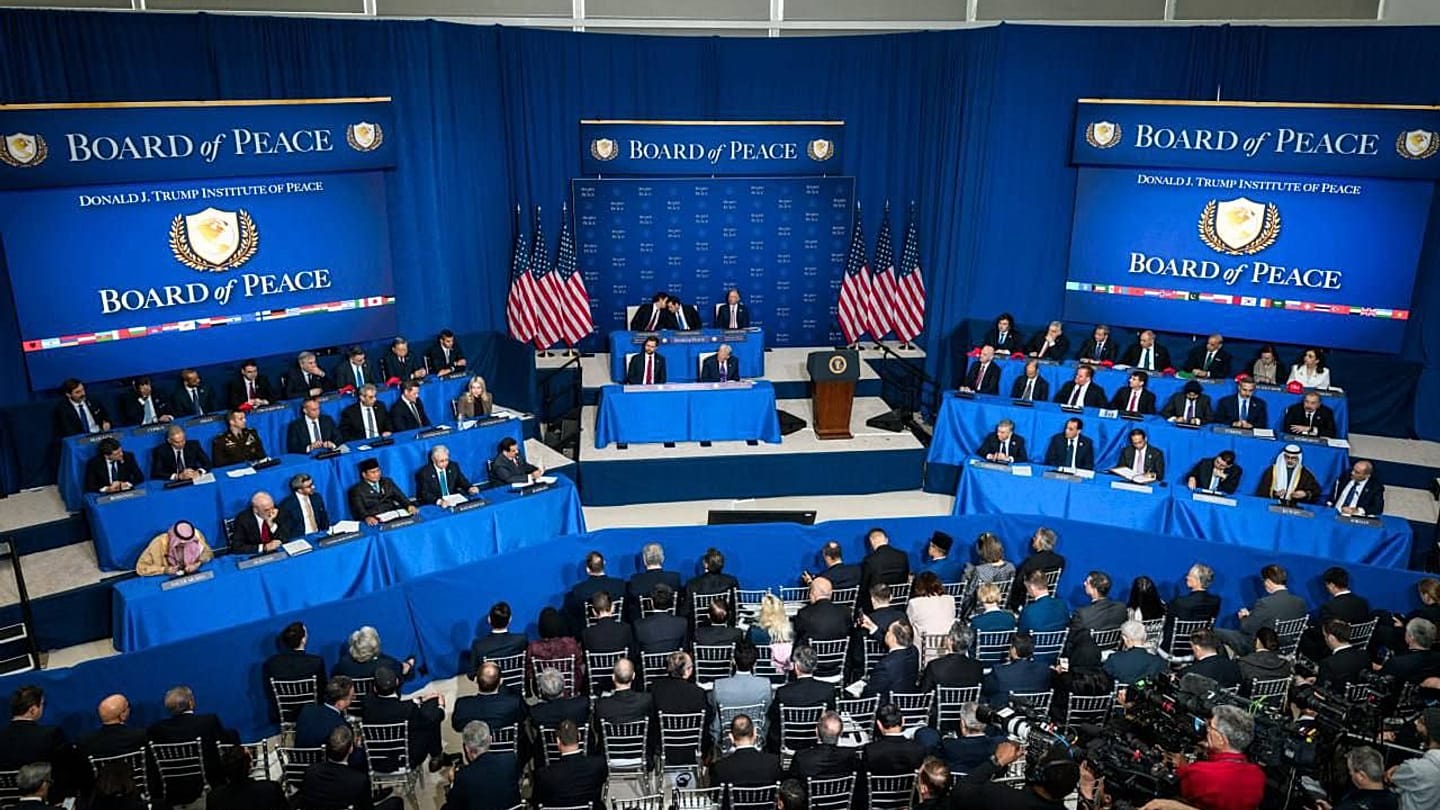
At the inaugural meeting of the Board of Peace in Washington, Azerbaijan, Kazakhstan and Uzbekistan signalled their readiness to back their endorsement with operational participation in US President Donald Trump's Gaza stabilisation and reconstruction plan.Presidents Ilham Aliyev, Kassym-Jomart Tokayev and Shavkat Mirziyoyev had already signed the founding declaration of the Board in Davos in January.The three leaders have alligned with specific pillars of the proposed plan: financial contributions to reconstruction, direct support for infrastructure rebuilding and, in Kazakhstan’s case, troop deployment to an international stabilisation force.Kazakhstan: Funding, troops and aid for GazaDuring his speech, Kazakh President Tokayev noted that the meeting “comes at a moment when decisive and pragmatic actions matter most."As the country’s first step, it committed to contributing “significant” funds directly to the Board “without any delay.” Kazakhstan is also among the countries that have pledged troops to help police the peace in Gaza. Indonesia, Morocco, Kosovo, and Albania are the other four countries to have first committed troops to serve in the 20,000-strong International Stabilisation Force (ISF).“Kazakhstan is willing to support the ISF deploying military units, including medical units and sending our observers to the Civil Military Coordination Centre,” Tokayev explained.He added that Kazakhstan is ready to contribute to the restoration and construction effort in Gaza through international companies with strong credentials. The country’s funds may be directed to the construction of residential complexes, schools, hospitals and other civilian infrastructure.As the world’s leading wheat producer, Kazakhstan also pledged humanitarian aid wheat shipments to enhance food security in the Strip.The country will provide 500 university scholarships for Palestinian students, and is ready to share its e-government expertise and other digital solutions. It also expressed readiness to host meetings of varying scales.Tokayev highlighted that Kazakhstan has joined the Abraham Accords, which, together with the Board of Peace, will foster peace and economic stability in the region.He also proposed to establish President Trump’s Award of the Board of Peace “to recognise his outstanding peace building efforts and achievements."Uzbekistan: Reconstruction and local legitimacyPresident Shavkat Mirziyoyev said Uzbekistan wants to play an important reconstruction partnership within the Gaza stabilisation plan, pledging financial backing and targeted infrastructure support.Mirziyoyev confirmed that Uzbekistan “firmly declared its commitment to take practical part” in the implementation of the Board of Peace and linked the initiative directly to Gaza’s recovery.“I am confident that the Board’s work will create a favourable condition for the economic and social restoration of Gaza,” he said.Mirziyoyev stated that any post-conflict government structure must carry internal legitimacy. “Any mechanism for external governance of Gaza must rely on the support of its population,” he stated, framing domestic backing as a prerequisite for stability.Uzbekistan announced readiness to contribute directly to the rebuilding of civilian infrastructure, including “residential buildings, kindergartens, schools and hospitals.”Mirziyoyev also argued that “coordinated efforts of all interested parties will make the post-conflict process sustainable and create conditions for the rapid reconstruction of Gaza,” with the initiative being a joint stabilisation effort and not unilateral intervention.“We need to use this historic opportunity to create a New Gaza with a thriving economy and decent living conditions for its population,” he added, stating that reconstruction was both an economic and humanitarian objective.Azerbaijan: Peace agenda in focusAzerbaijan President Ilham Aliyev attended the inaugural Board of Peace meeting as a representative of a founding member country, amid renewed international attention on the Azerbaijan–Armenia peace process.The session placed significant focus on the agreement ending decades of conflict over Karabakh. Trump publicly credited Aliyev and Armenian Prime Minister Nikol Pashinyan for concluding the deal, describing it as peace “between two very important countries”.“We got it done … and it’s been a good peace since that,” the US president said, recalling Oval Office negotiations.“After 30 years of fighting … we had it worked out in about 24 hours.” He added, “They started off a little weak and they ended up really strong. And you can be very proud of yourselves.”The Washington session reinforced Azerbaijan’s pledge within the Board of Peace, linking its regional peace agreement to the broader stabilisation initiative on the table during the meeting.