

Syrians work to erase al-Assad cult of personality after fall of regime
Under the previous dynastic regime, Syria went from a homeland for all to a "real estate registry" for the al-Assad family. Now, the interim government is undoing the hold the al-Assads had on Syrians for decades.
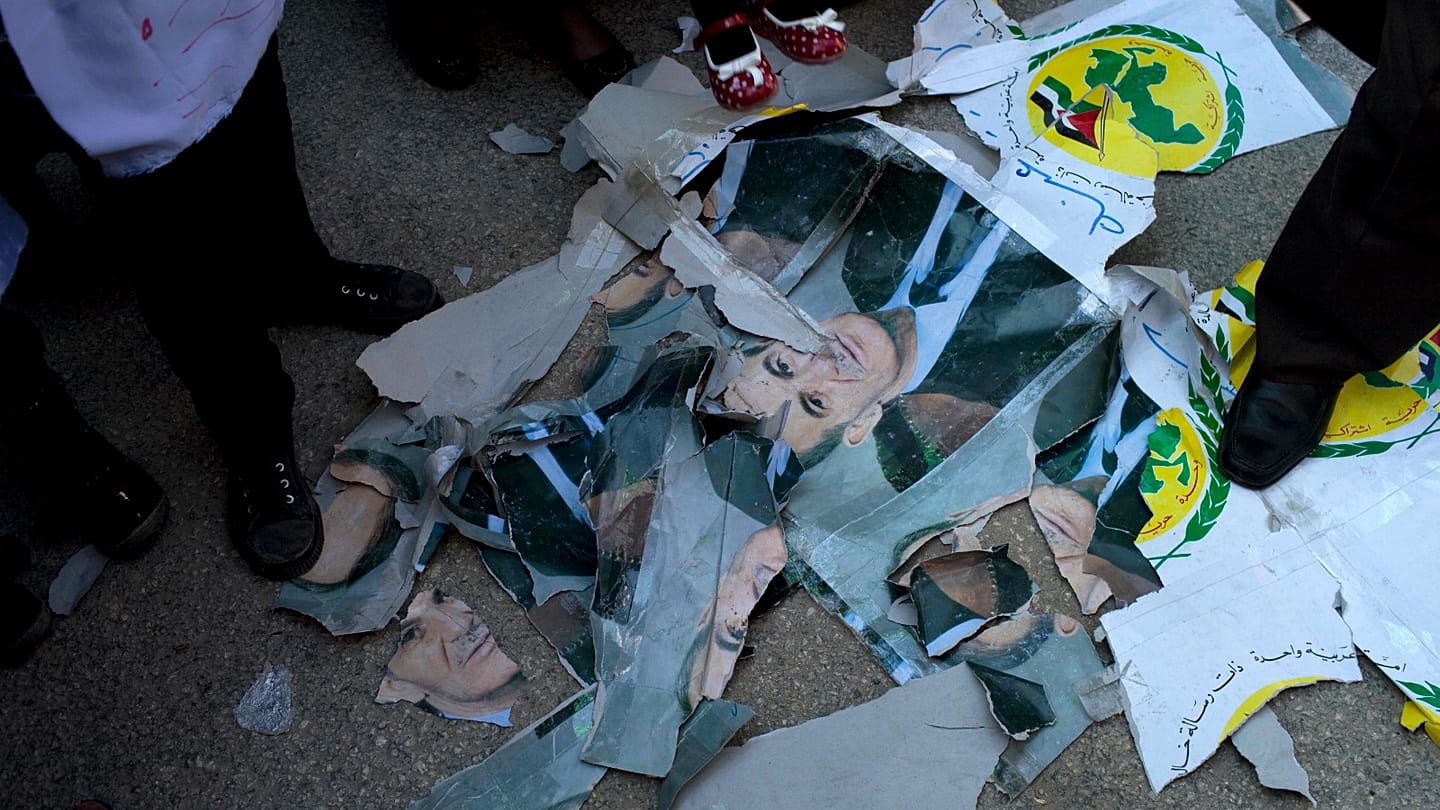
Syrians began tearing down images of Bashar al-Assad and removing his name from public buildings after opposition forces captured Damascus on 8 December 2024, ending more than 50 years of dynastic rule that permeated every aspect of public life.The Ba'ath Party regime had systematically inscribed the al-Assad name across Syria's physical and symbolic landscape since Hafez al-Assad seized power in 1970.Schools, airports, hospitals and government institutions bore his name, while citizens carried currency emblazoned with images of both Hafez and his son Bashar.In Latakia, authorities renamed Basil al-Assad International Airport to its geographical designation following the regime's collapse. Schools across provinces removed signs bearing the names of al-Assad family members.Now, the interim government of President Ahmed al-Sharaa has to undo decades of propaganda exalting a dictatorship — but also significant legal obstacles to overcome.Legal framework enabled personality cultLegal researcher Maya Hussein al-Khatib said systematic legislative loopholes supported what she termed symbolic appropriation of state property.The Local Administration Law No 107 of 2011 granted executive councils the authority to name streets and facilities without adequate judicial oversight, she told Euronews."This power, legally known as 'discretionary power,' can be a tool for good if used by honest councils, but it turned into a tool of loyalty when there were no checks and balances," Al-Khatib said.The Syrian constitution did not prohibit naming facilities after living people, although Article 8 stated that public funds should not serve factional interests.Al-Khatib said the printing of the ruler's image on currency was based on a decree under the Basic Monetary Law No 23 of 2002. While formally legal, she described it as a violation of the principle of the neutrality of public money.Article 51 of the Syrian Civil Code stipulates that every citizen has the right to object to the unjustified use of their name and request cessation of such infringement. If someone refuses to use their name, insisting on it constitutes a legal offence, she said.Psychological toll of regime imageryPsychologist Ghazal Samih said individuals raised in environments that sanctified the ruler and criminalised questioning lost their ability to think critically."Not because of mental weakness, but because resources are limited and living needs drain mental energy," Samih told Euronews.Such individuals develop a high sensitivity to difference out of fear of punishment or ostracism, and lose their personal identity, dissolving into an imposed collective identity, she said.The psychological mechanism that pushes people to impose glorification stems from the belief that "humans need a collective identity, and the feeling is that glorifying the ruler means protecting the group", according to Samih.She stressed the need to encourage critical thinking without guilt and separate emotions from institutional work as a condition for building a state of citizenship.Proposed reforms for transitional justiceAl-Khatib proposed symbolic transitional justice through a comprehensive review of all naming conventions imposed over the past 50 years and their replacement with inclusive national symbols.She called for the creation of a National Symbols Committee — which would include judges, historians and ordinary citizens — to ensure impartiality.The researcher proposed mechanisms to protect public property from symbolic appropriation, including constitutional protection against the exploitation of public institutions to glorify individuals and criminal prohibition of the use of public funds for glorification, all punishable by law."These mechanisms should be activated through the Symbolic Transitional Justice Law, which regulates a comprehensive review of all national designations and symbols imposed during the period of tyranny, with a priority to honour the memory of the victims," Al-Khatib said.Samih said legal protection alone was insufficient without psychological and societal change.Building a state of equal rights and a functional democracy for all requires separating emotions from institutional work and spreading acceptance of difference through education and media, she explained.Only just and effective institutions can replace the psychological need for a leader by giving citizens a real sense of belonging to the country rather than to an individual, she concluded.