

Russia may stage a nuclear false flag operation in Ukraine, report warns
The US-based Institute for the Study of War said in a report that the Kremlin is looking for ways to divert attention away from “the Russian military’s inability” to achieve Moscow’s objectives, and might cause a nuclear incident to do so.
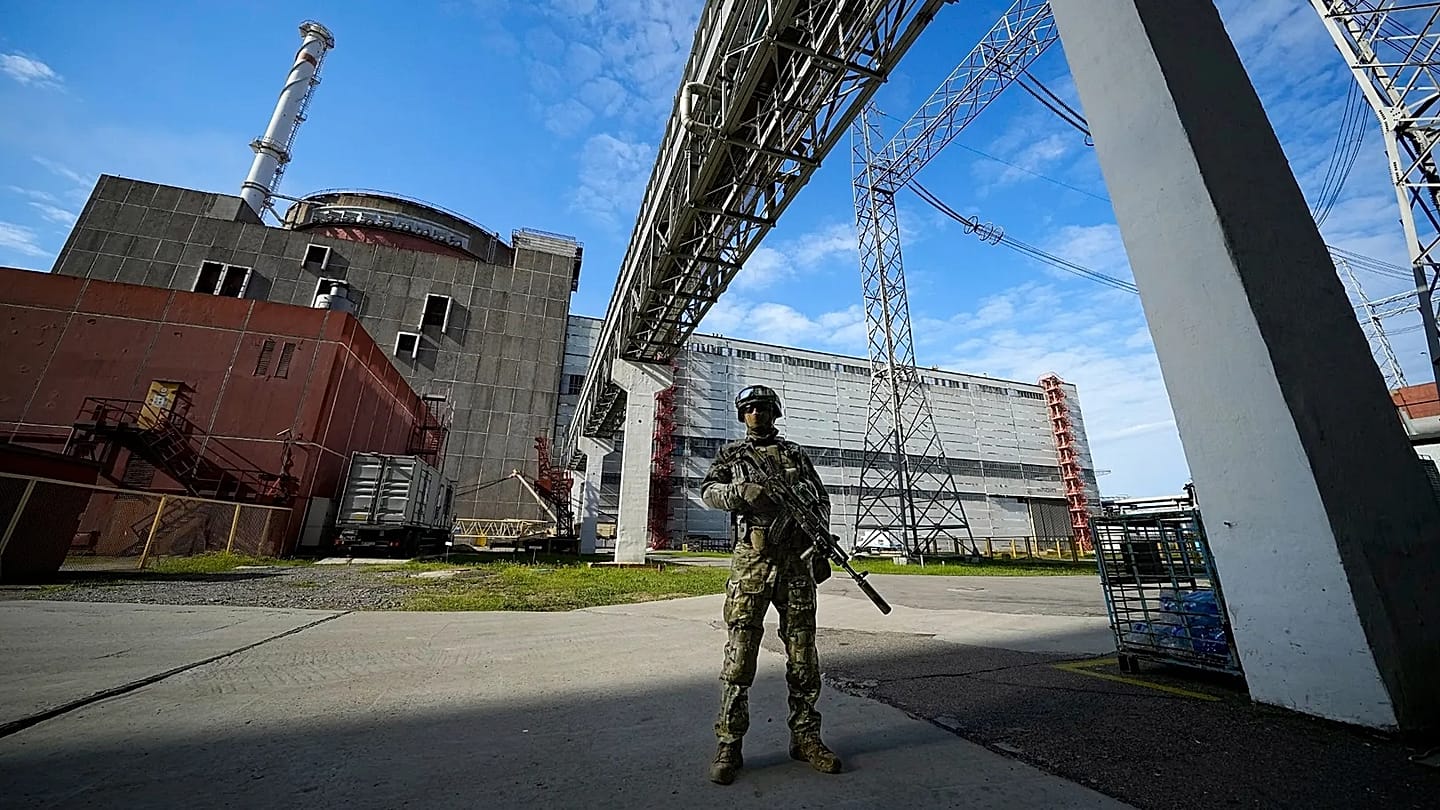
As Russia’s full-scale invasion of Ukraine continues into its fifth year, Moscow could try to divert attention from its lack of battlefield achievements with a possible nuclear false-flag operation, report claims.“The Kremlin may be planning to blame Ukraine for a Russian-generated radiological incident in Ukraine”, the US-based Institute for the Study of War (ISW) think tank said, stating Moscow sees it as a tool “to convince the West to abandon Ukraine or as a further attempt to break Ukrainian will to continue to resist”.Russia has been targeting Ukrainian nuclear energy infrastructure, repeatedly striking Ukrainian nuclear power plants and supporting infrastructure. These attacks risk causing a radiological incident. “Russia may intentionally or unintentionally cause an incident and then accuse Ukraine of using a nuclear or radiological weapon,” the report said. The ISW warning comes after what it said was “a baseless claim” by the Russian Foreign Intelligence Service (SVR) that the UK and France are attempting to transfer a “dirty bomb” or nuclear weapon and delivery systems to Ukraine.Kremlin spokesperson Dmitry Peskov went further, saying “the intention of Paris and London to transfer a nuclear bomb to Kyiv is a flagrant violation of international law". “This information will be taken into account” by Russia during negotiations on Ukraine, Peskov added.“Senior Russian officials amplified the SVR’s claim in what ISW assesses was a coordinated information effort designed to elevate nuclear escalation rhetoric and divert attention away from the war anniversary," the think tank said.The ISW points out that Russia’s nuclear rhetoric “fits into a recurring pattern”, as the Kremlin has leveraged the false narrative that Ukraine intends to use a “dirty bomb” in the past to influence Western discussions about support for Ukraine or to set conditions for Russian false flag attacks.“ISW continues to assess that Russian nuclear use remains unlikely," the report stated.The only notable difference in the new claims is that this time, Moscow is specifically pointing the finger at the UK and France. The two European countries have been leading discussions within the so-called "Coalition of the Willing" about security guarantees for Ukraine.The most recent meeting took place on Tuesday, on the day of the anniversary of Russia’s full-scale invasion. The UK also announced an additional support package for Ukraine on Tuesday, which has been heavily criticised by Russia.Chernobyl and Zaporizhzhia plant possible targets?Ukraine has four nuclear plants and one of them has been in Russian hands since 2022.Moscow troops have occupied the Zaporizhzhia Nuclear Power Plant (ZNPP) since the early days of its full-scale invasion. During these four years, Ukraine has no access to the site, which has been heavily militarised by Moscow troops. A report by McKenzie Intelligence Services (MIS) at the request of Greenpeace Ukraine showed the continued militarisation of the Zaporizhzhia nuclear plant and its associated infrastructure.“The ZNPP is functioning as a Russian military base” with the construction of bunkers, sangars and a dam, violating safety protocols.The plant has repeatedly experienced total power outages, often due to military action. Zaporizhzhia NPP is one of the 10 largest nuclear plants in the world, and its fate amid the fighting has raised fears of a nuclear catastrophe.Chernobyl, the site of the world’s worst nuclear disaster, was occupied by Russian troops in the early days of Moscow’s all-out war in 2022. It remained under Russian troops’ control for over a month until Ukrainian forces pushed Moscow troops away from Kyiv region. It was then confirmed that Russian troops dug trenches in the most contaminated part of the Chernobyl exclusion zone, receiving "significant doses" of radiation. In 2025 a Russian drone attack damaged Chernobyl's New Safe Confinement (NSC), a Europe-led project meant to act as a shield from the still-radioactive remains of the decommissioned reactor and the original sarcophagus built immediately after the disaster. In January, Chernobyl experienced a total loss of power as a result of Russian strikes.